Portrait of Michał Zieliński

About me

For about 15 years I’ve worked on B2B SaaS, enterprise and government products, and marketplaces. For the last 4 of those years, I was in a UX manager position for the mobile.de B2B team of 8.

I’m currently transitioning into a Lead UX role.

I build with AI: I designed and coded this portfolio myself, and I use AI to synthesise research insights.

What I offer

01

Finding the problems worth solving

At mobile.de:

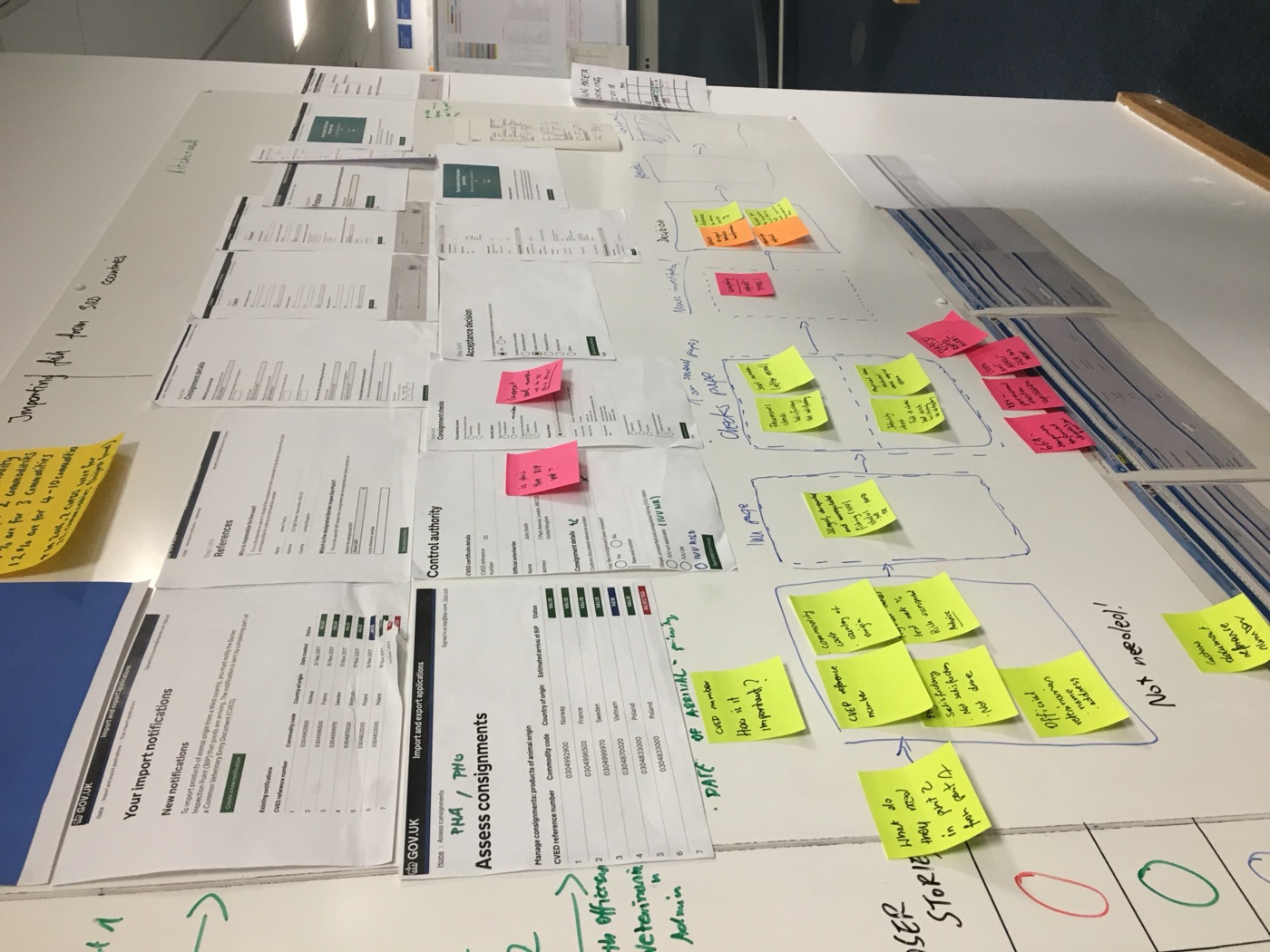
  • My team introduced and owned a CSAT survey.
  • I pitched adoption metrics.

I added customer call data, and together we synthesised a Pain Report.

Impact: showing trends quarterly, flagging key problems and, together with the Head of Product, tying them to planned strategic initiatives.
02

Hypothesising and experimenting

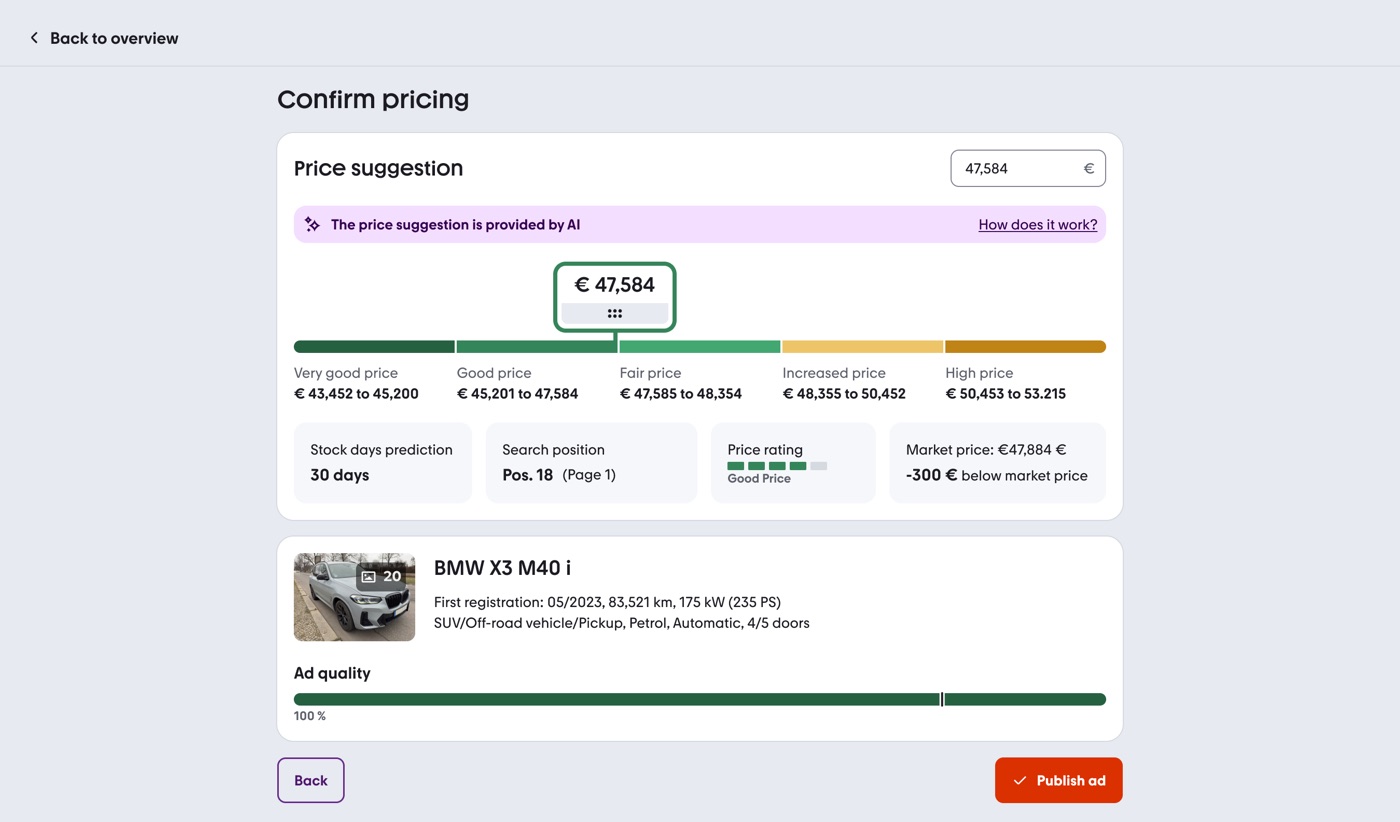
  • At mobile.de, I worked with an agency to form hypotheses about smart price calculation, to better position an ad in relation to market conditions and the car’s specification.

Result: most test participants distrusted the recommendation, due to historical friction with another evaluative model on our platform.

03

Matching research to risk

Working closely as a product trio to map hypotheses and risks to the best research approach.

In an interview connected with an A/B/C concept test of a new automation feature, I found a high-risk gap that could have blocked adoption: expert users’ lack of trust in automation and their loss aversion. We also discovered a new user segment and defined the adoption risks to verify.

04

Delivery and quality, together with the team

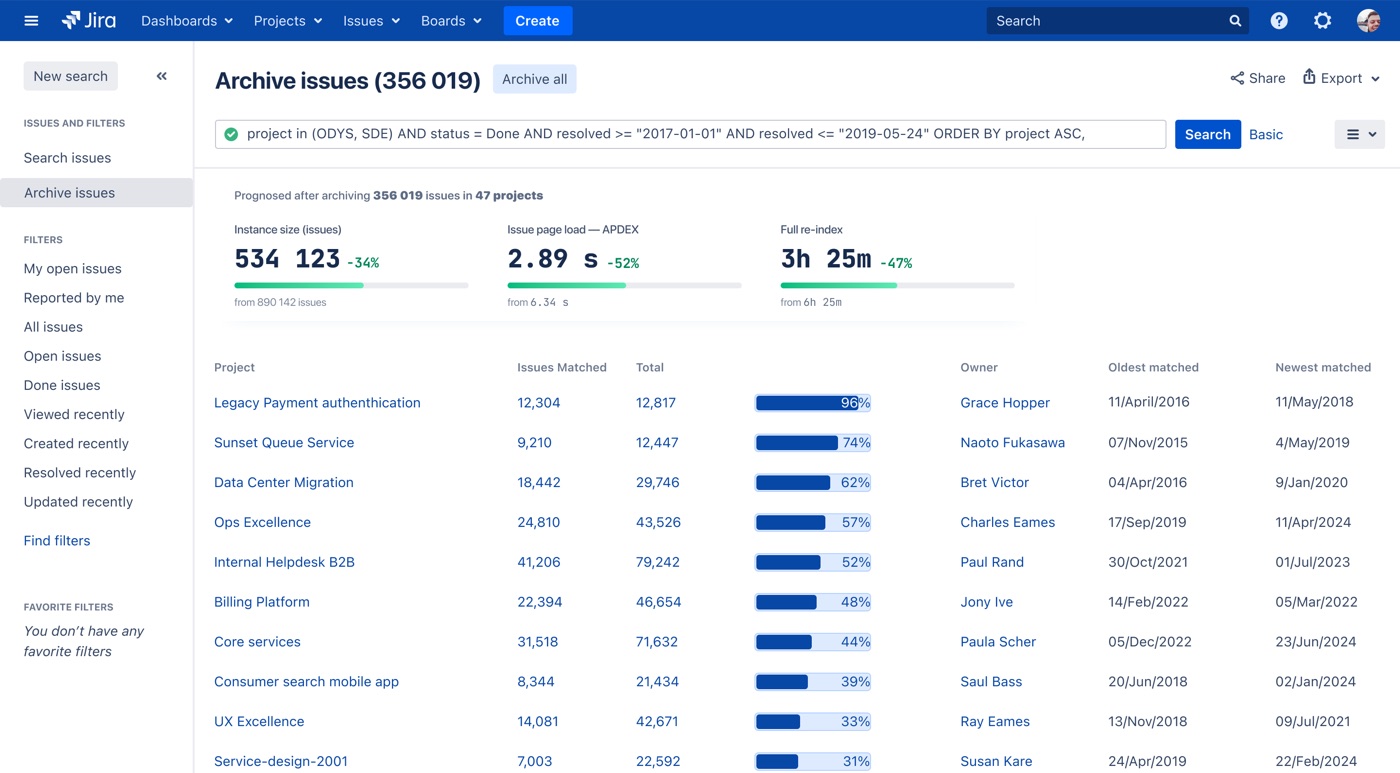
  • I share scenario-based designs that cover edge cases and take part in QA sessions.
  • I ran a trade-off workshop to get the most out of technical constraints and existing user habits.
  • I document decisions, so the next iteration starts from what we learned.

How I work with people

  • Active listening, sharpened by years of 1:1s and performance reviews.
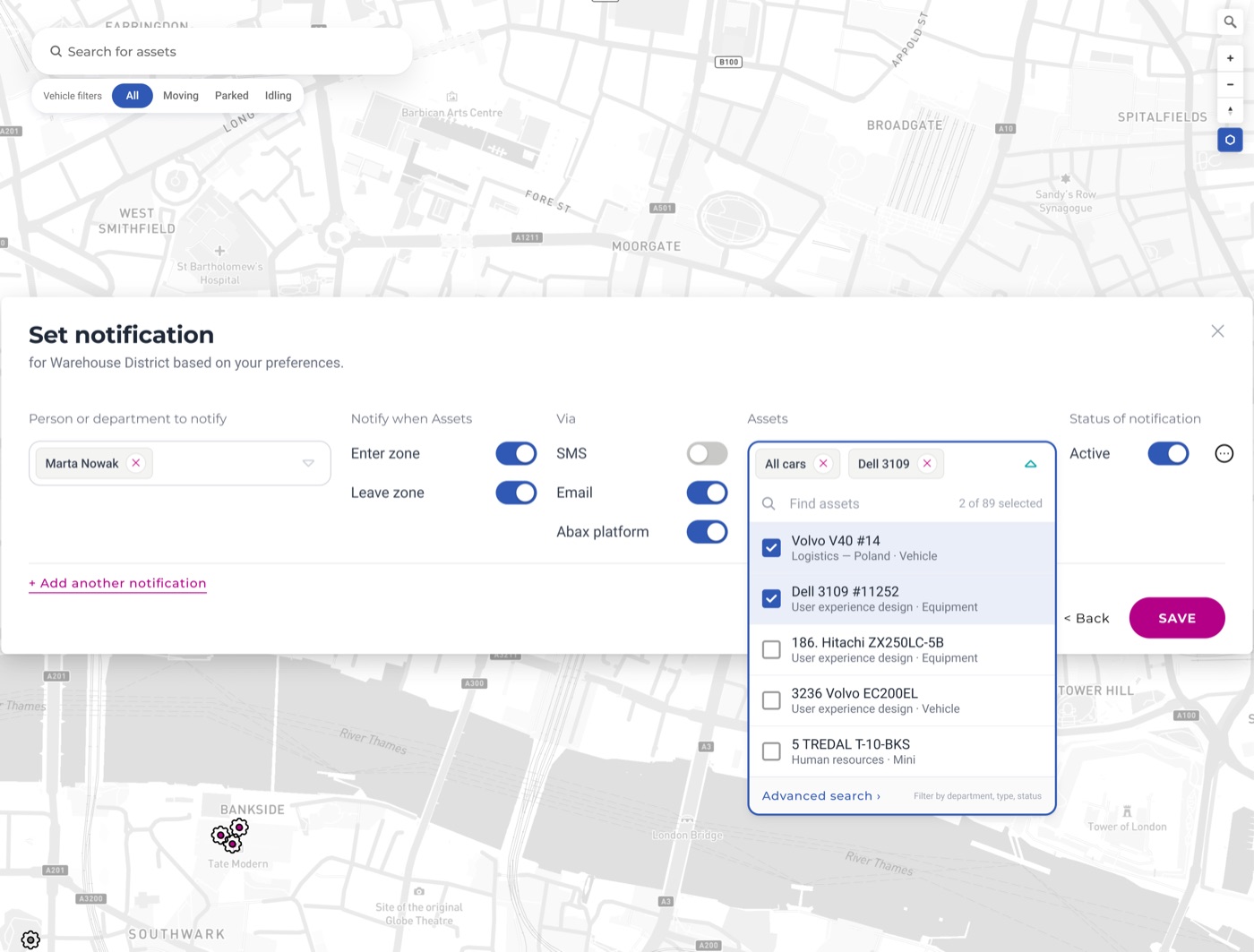
  • Systems thinking with solid technical fundamentals: APIs, how automation works, designing for multi-user roles and permissions.

Selected work

Four case studies